

Jimi LiJimi Li
Reading · annotated

What I’m reading,
and why.

8 books I’ve kept on the desk. For each: the case for reading it, and the three takeaways I keep coming back to.

8
Featured · 2026
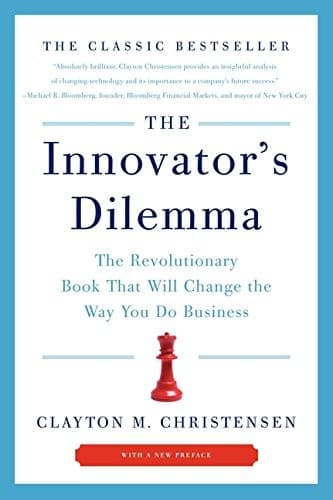
The Innovator's Dilemma by Clayton M. Christensen
1997
01Operating model

The Innovator's Dilemma

Clayton M. Christensen
Why I like it · why you should read

The book I re-read every two years. Christensen's argument that great companies fail not despite their competence but because of it remains the most useful frame I have for what's happening inside large enterprises right now.

Three findings I kept
1.
Disruption is rarely about technology — it's about which customers you're built to serve.
2.
Sustaining innovations protect incumbents. Disruptive ones bypass them entirely.
3.
Resource allocation processes are downstream of customer relationships. Both are sticky.
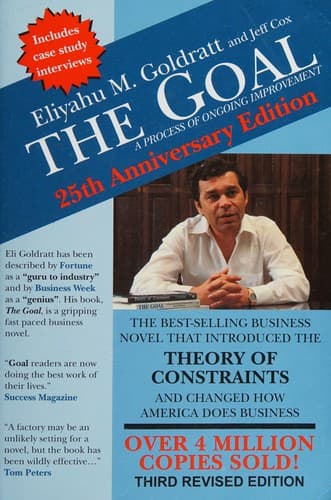
The Goal by Eliyahu Goldratt
1984
02Workflow

The Goal

Eliyahu Goldratt
Why I like it · why you should read

A business novel about a factory manager that taught me more about workflow design than any consulting deck I've read. The Theory of Constraints applies cleanly to knowledge work — most people just haven't tried.

Three findings I kept
1.
A system is only as fast as its bottleneck. Speeding up anything else is theater.
2.
Local efficiency ≠ global throughput. Most organizations confuse the two.
3.
If your queue is invisible, your bottleneck is too.
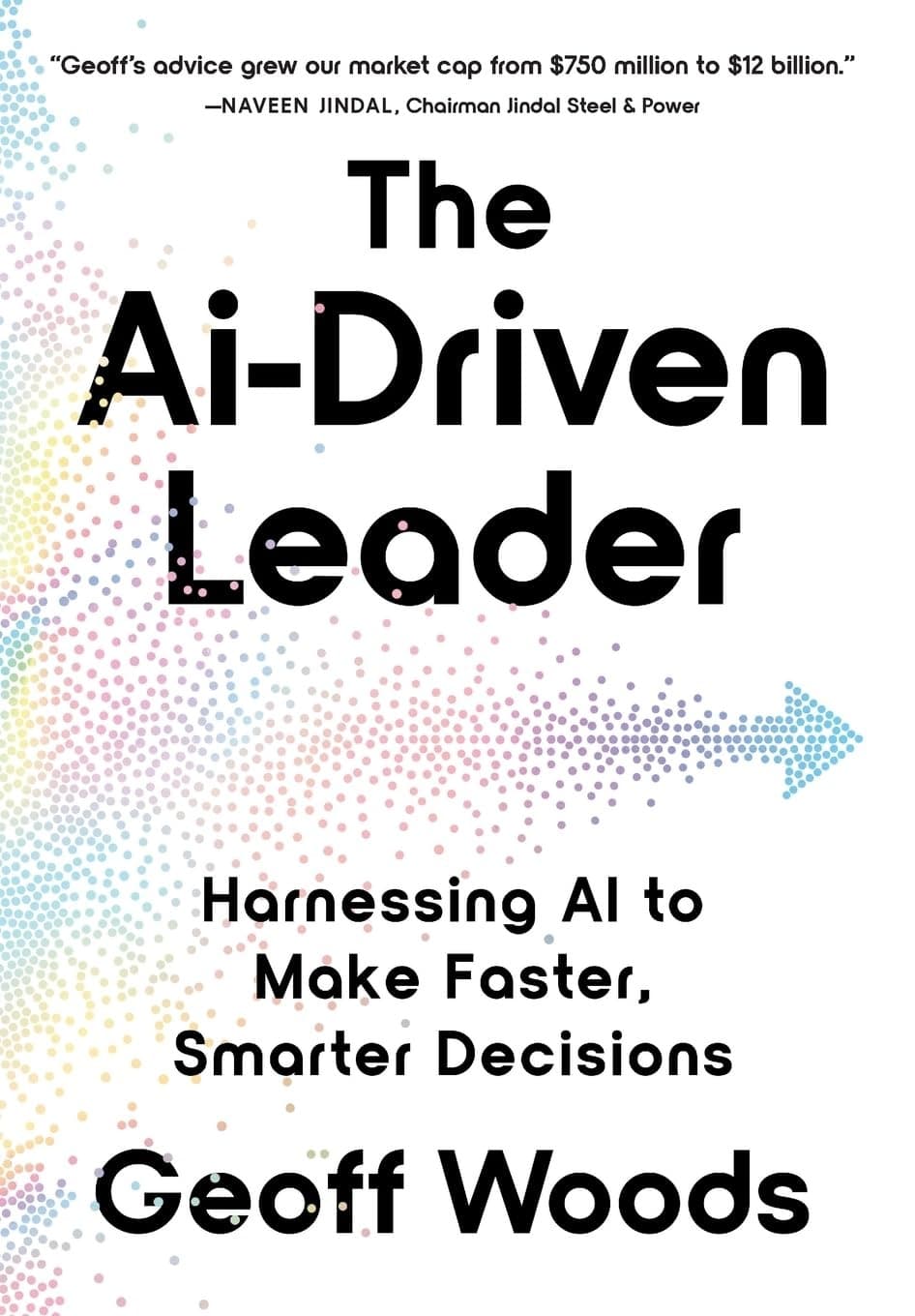
The AI-Driven Leader by Geoff Woods
2024
03Leadership

The AI-Driven Leader

Geoff Woods
Why I like it · why you should read

The most useful playbook I've seen for executives who want to lead with AI rather than delegate it to a team of specialists. Woods makes the case that the senior leader's job is to be the model's most demanding user — and gives you the prompts and rituals to do it.

Three findings I kept
1.
The leader who prompts well is the leader who thinks well. Treat the model as a sparring partner, not a search box.
2.
AI fluency at the top changes the questions the whole organization asks. Adoption is a leadership behavior before it is a training program.
3.
The hardest part of AI transformation is unlearning the meeting rhythms that assume a slower thinking partner.
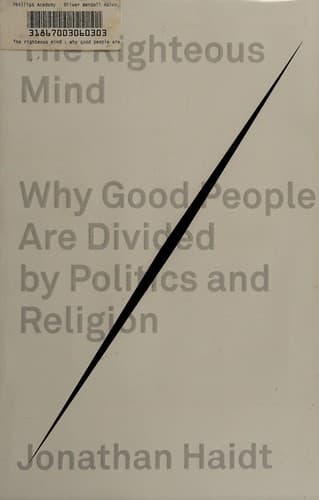
The Righteous Mind by Jonathan Haidt
2012
04Perspective

The Righteous Mind

Jonathan Haidt
Why I like it · why you should read

The book that changed how I run hard conversations. Haidt's argument — that moral reasoning is mostly post-hoc rationalization riding on top of intuition — is the most useful frame I know for why smart executives talk past each other on AI, on org design, on everything.

Three findings I kept
1.
The rider explains, the elephant decides. Treat intuition as the leading indicator, not the noise.
2.
People bond over shared values, then argue about facts. Reverse that sequence and you lose the room.
3.
Moral foundations differ across tribes. Translating between them is leadership work, not rhetoric.
The Art of Doing Science and Engineering by Richard W. Hamming
2020
05Playbook

The Art of Doing Science and Engineering

Richard W. Hamming
Why I like it · why you should read

Hamming's lectures, reissued by Stripe Press, are the closest thing I have to a senior mentor in book form. The throughline — that great work comes from people who take their own taste seriously and aim at problems that matter — is the bar I try to hold for myself and my teams.

Three findings I kept
1.
Work on important problems. The compound interest on choosing what to think about dwarfs the interest on technique.
2.
Style and substance are inseparable. How you communicate the work is part of the work.
3.
Learning to learn is the only durable skill. Everything else has a half-life.
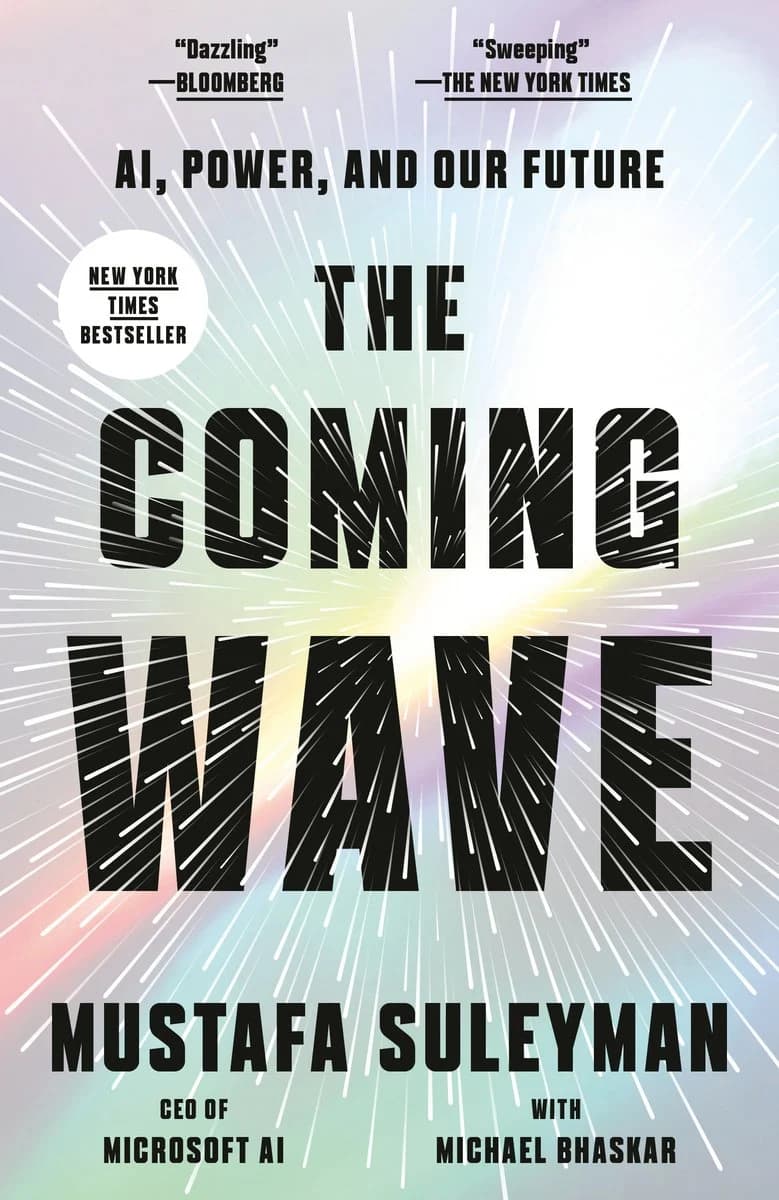
The Coming Wave by Mustafa Suleyman
2023
06Perspective

The Coming Wave

Mustafa Suleyman
Why I like it · why you should read

The clearest articulation of the containment problem for general-purpose AI. Suleyman's framing of "contain or constrain" is the one to argue with — and one of the few books that takes the institutional question seriously alongside the technical one.

Three findings I kept
1.
Containment is harder than capability. The hard problem is governance, not training compute.
2.
Wave technologies (AI + synbio) compound because their dual-use surfaces overlap.
3.
The pessimism aversion bubble means smart people systematically underweight tail risk.
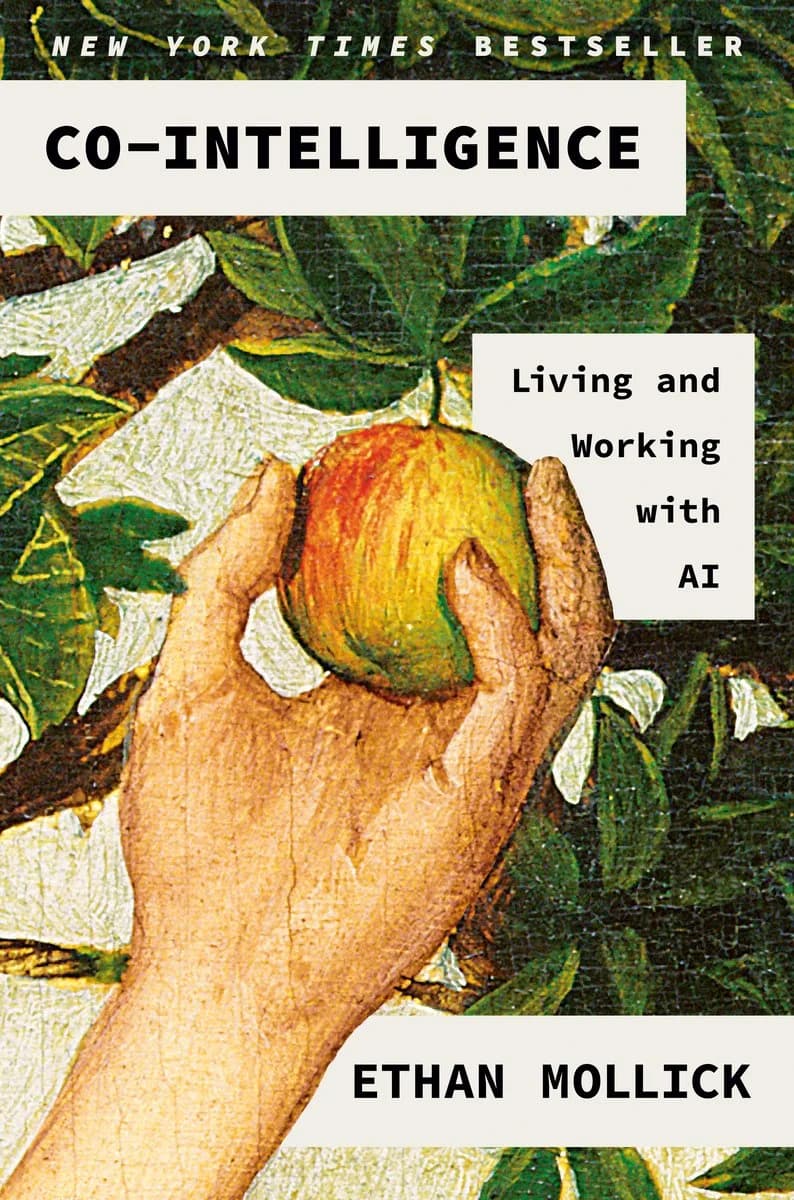
Co-Intelligence by Ethan Mollick
2024
07Playbook

Co-Intelligence

Ethan Mollick
Why I like it · why you should read

The best practitioner-level guide to working with frontier models. Mollick's "always invite AI to the table" heuristic shows up in my JAIT workshops, and the chapter on AI as teammate is required reading for anyone leading a team through adoption.

Three findings I kept
1.
Invite AI to the table by default. Decide what to share only after you see what it suggests.
2.
The jagged frontier means AI is superhuman at some things and incompetent at others — and the line is unintuitive.
3.
Treat AI as a person of variable competence. The tasks where it helps most are the ones where you can verify quickly.
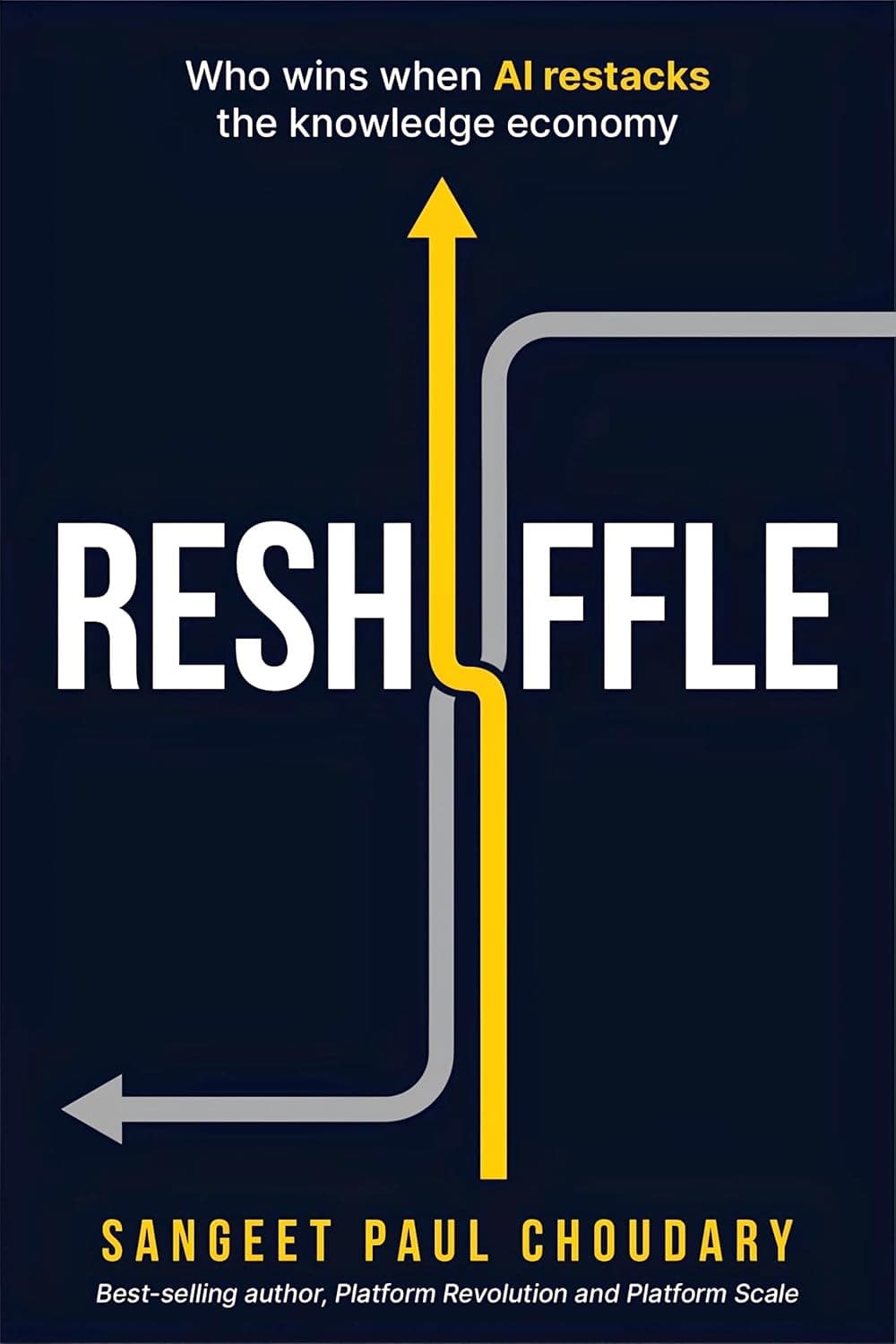
Reshuffle by Sangeet Paul Choudary
2025
08Operating model

Reshuffle

Sangeet Paul Choudary
Why I like it · why you should read

The sharpest book I've read on what AI actually does to the structure of work — and the one I'd hand to any operating partner trying to size where value migrates next. Choudary's reframe of AI as a coordination layer, not a smarter brain, is the lens I now use to read every transformation roadmap.

Three findings I kept
1.
AI is better glue, not a better brain. The leverage is in re-stacking workflows, not replacing thinkers.
2.
Power shifts to whoever controls the new coordination layer. Pick your position before the stack hardens.
3.
The fights that matter are between tool providers, the firms that buy them, and the workers who use them. Most strategy decks miss two of the three.