
Beyond the Bottleneck: How CIOs Orchestrate Outcomes to Turn AI Investment Into P&L Impact.
On why capturing AI value requires orchestrating outcomes across the full workflow, rather than optimizing tasks in isolation. CIOs and CTOs sit at the intersection of technology, process, and data — the closest expert any CEO has to the question of how AI changes the operating model. The shift from systems operator to outcome orchestrator is the defining move of the role.
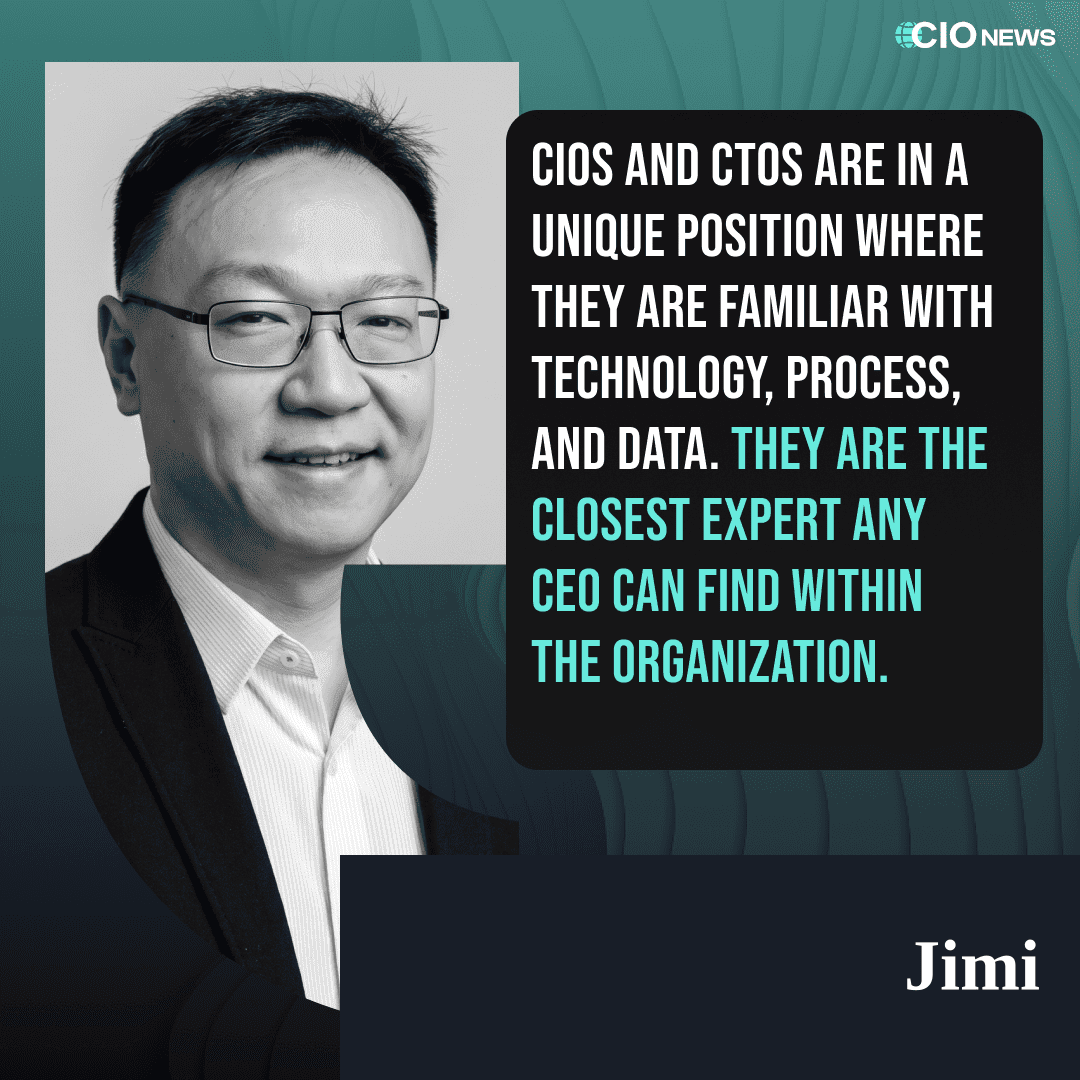
Read the full interview on CIO News via the link above.
The argument
The gap between deploying AI and capturing its value is the defining challenge of the CIO role. Technology leaders are judged on what the business gains in addition to what IT deploys — a shift that moves the CIO from systems operator to outcome orchestrator, responsible for connecting people, process, data, and cross-functional execution to measurable business performance.
Topics covered
- The deploy-vs-value gap. Why most AI implementations show productivity gains without moving the P&L — and what closes the gap.
- Bottleneck whack-a-mole. Productivity wins on isolated tasks rarely raise overall output. The framework for asking the question most leaders skip: "did total throughput increase?"
- Three categories of AI value. Productivity, FOMO/efficiency, and strategic — and why most companies lose the thread on the third.
- Aligning AI with sales, pricing, and cross-sell. Capturing value from AI-augmented services requires the commercial side to redesign before the technology ships.
- Stakeholder-first transformation. How a stakeholder-first posture cuts through anxiety and earns the trust that AI rollouts depend on.
- Experiment vs. investment. Why "let's try it and see what happens" is the failure mode that the majority of AI work falls into, and how to design the work as an investment instead.